request a call back

7 steps to planning your outdoor campaign
Starting out with outdoor advertising can seem daunting, but it doesn’t have to be. We’ve put together a straightforward guide for SMEs, covering everything from planning to measuring success. And remember, Global is here to help with the heavy lifting.
Article Summary
To get ahead in SME advertising, start with clear goals and audience understanding. Plan your campaign strategically—from format selection to timing. Use data-driven insights for performance optimisation. Blend formats like outdoor, radio, and digital to boost visibility and brand recall. Lean on expert partners for media planning and execution. Global offers the reach, creative experience, and targeted media access that help SMEs punch above their weight.

step 1: begin with your campaign goals
What do you want to achieve with your campaign? While more sales might be the obvious choice, there are plenty of other goals you can target, from boosting brand awareness to increasing website traffic.
Example:
One of our clients wanted to position their brand as a viable alternative to market leaders. We designed a bus and tube advertising campaign that:
- Gave their brand a distinctive personality.
- Enhanced brand engagement.
- Increased Share of Voice, making the brand more recognisable.
- Positively impacted other marketing channels.
- Boosted website traffic by 20%.
- Added new customer sign-ups.
Your goals might look different, but what matters is that they’re specific, measurable, and relevant to your business. Whether you’re breaking into new markets, launching a product, or simply increasing brand recognition, setting clear goals is the first step. More audience, brand, and category research.

step 2: understand your competitors
Before you dive in, take a look at what your competitors are doing. Are they all competing on price? Is there a clear leader in your market? Which campaigns stand out, and why?
Pro Tip
Researching your competitors’ outdoor advertising efforts helps you spot gaps in their strategy that you can capitalise on. Whether it’s a missed opportunity or a message that didn’t quite land, you can use this insight to make your campaign more effective.
Step 3: identify your target audience
Who are you trying to reach, and what motivates them to act? Understanding your audience is crucial because, ultimately, your campaign is for them.
Think about their age, gender, income, location, and interests. Are you targeting a broad audience, like young adults, or a more specific group, such as 18-23-year-olds in Liverpool who are recent graduates?
Timing Matters
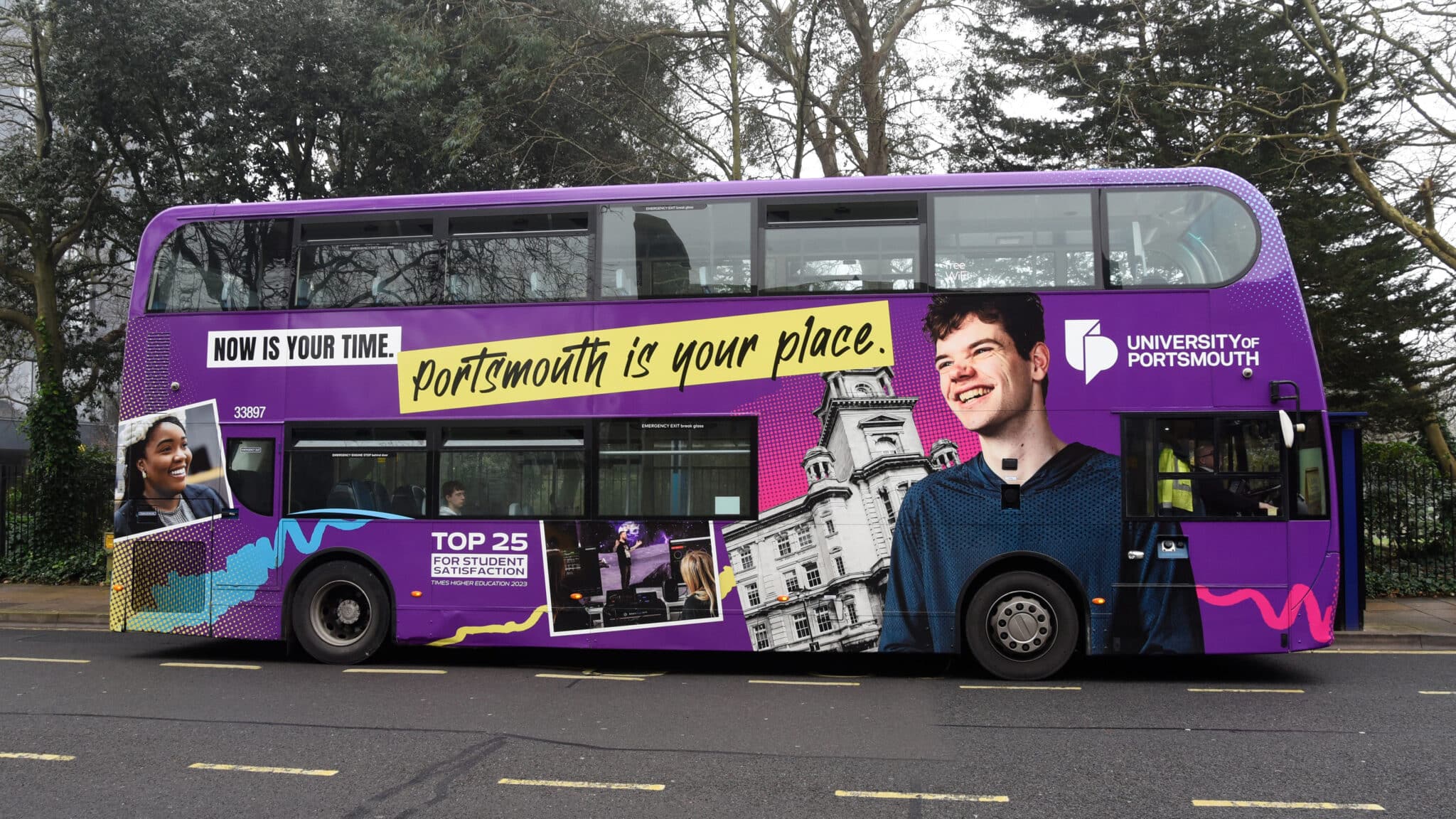
If you’re targeting university students, remember they’re not at university during the holidays. Choose the right time to maximise impact.
step 4: define your message
Now that you know who you’re talking to, it’s time to decide what you need to say. Your message should encourage your audience to take a specific action—whether that’s visiting your website, signing up for a service, or making a purchase.
Ask yourself:
- What do they need to know, think, or feel?
- How do you want them to act?
- What potential barriers could prevent them from converting?
step 5: choose the right locations
Location is everything in outdoor advertising. Where do your target customers spend most of their time? Are they driving, commuting by train, or walking through busy city centres?
For example, if you’re targeting university students, advertising on buses that pass through student areas are more effective than placing a billboard on a major road that caters to commuters.
Our Reach:
Global can help you engage with audiences on the move across the UK, from bustling city centres to local communities.
step 6: select the right media formats
Your audience location data will guide you in choosing the most suitable media channels. If you know where your audience is, you can ensure your adverts are seen where it matters most.
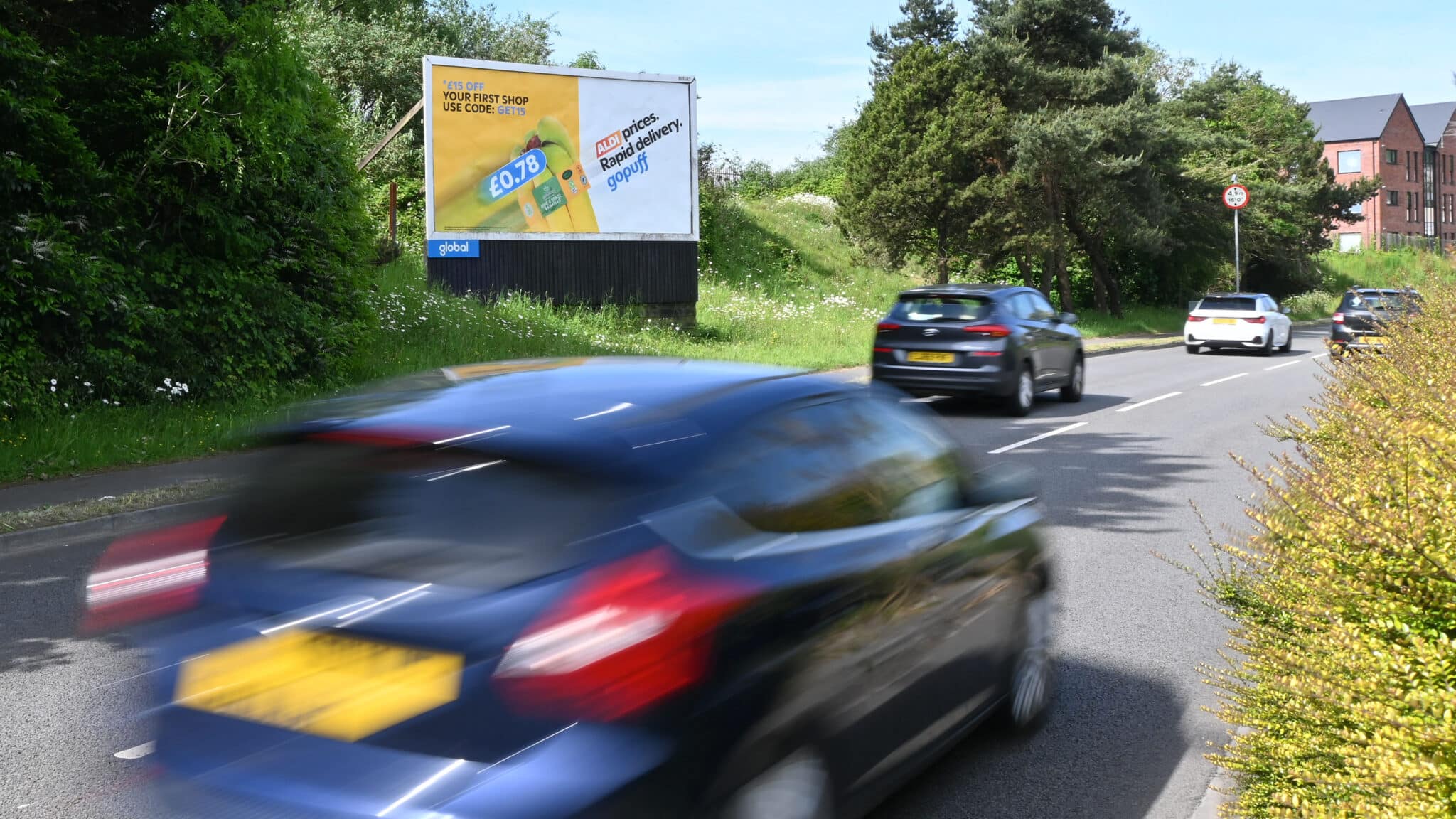
For instance, while a high-traffic digital billboard may reach many people, it’s less effective if your target audience isn’t among them. Tailor your media choice to your audience for the best results.
step 7: budgeting for success
Now that you know your target audience, goals, and media formats, it’s time to consider your budget. At Global, we can provide data on expected impressions from each bus route and billboard location, helping you make informed decisions that maximise your budget.
Ready to Get Started? If you’re new to outdoor advertising and want expert guidance, contact Global today. Let’s outline your campaign goals and find the best solutions to achieve the brand exposure you need.
See case studies.