request a call back

glossary
Many businesses want to take control of their media planning and buying in the UK market. However, as with many industries, Out-of-Home (OOH) advertising has its own language that can make it confusing to understand what advertising you require and precisely what you are purchasing.
Below is a glossary of UK out-of-home advertising terms you need to know to navigate your campaigns successfully.
Article Summary
Understanding key OOH terms helps brands plan effective campaigns. This glossary defines essentials like face (the display surface), extension (3D creative elements), flight (ad duration), frequency (how often audiences see your ad), geofencing (location-targeted messaging), and high-impact formats (spectacular visuals that grab attention). By mastering this language, marketers can confidently navigate outdoor opportunities—whether static or digital—and make the most of Global’s expert media support.
1
- 48 Sheet: The most common size of a UK roadside billboard (20ft x 10ft), typically seen along major roads and high streets.
- 6 Sheet: Measuring 1.8m x 1.2m, these are the most common format in the UK, seen at bus stops, retail areas, and shopping centres. Often available in both traditional and digital formats.
- 16 Sheet: A 10ft x 6.6ft billboard typically elevated above ground near high streets and urban areas.
- 32 Sheet: A 10ft x 13.3ft billboard – similar height to 16-sheet but wider, providing more space for brand messaging. Common in UK metropolitan areas.
- 96 Sheet: The largest standard UK billboard format (39.37ft x 9.842ft). Digital versions are prominent alongside major arterial routes and in high-traffic urban areas.
A
- A-Boards: Free-standing outdoor signs typically seen on UK high streets, subject to local council regulations.
- Advertising Agency: UK agencies that connect clients to media owners, offering services such as media buying, planning, and campaign management.
- Artwork: The creative output provided to the media owner for production, must comply with UK advertising standards.
- ASA (Advertising Standards Authority): The UK’s independent advertising regulator, ensuring all OOH advertising meets required standards.
- Audience: The target consumer group for an OOH campaign, often defined using UK demographic classifications (such as ABC1).
- Ambient Advertising: Creative placement of adverts in unusual locations, subject to UK local authority approval.
B
- BARB (Broadcasters Audience Research Board): While primarily for TV, BARB data is often used alongside Route data for cross-media campaign planning in the UK.
- Bus Shelter: Refers to advertising spaces within UK bus and tram shelters, typically managed by major media owners like Clear Channel and JCDecaux.
- Backlit: Illuminated billboards, subject to UK planning regulations regarding brightness and operating hours.
- Billboard: Large format roadside poster advertisement, requires planning permission from local councils.
C
- Campaign: The duration of an OOH promotion, typically sold in 2-week periods in the UK market.
- Council Approval: Required permission from local UK authorities for the installation and operation of OOH advertising structures.
- Coverage: Percentage of UK population or specific geographic area exposed to an outdoor advertising campaign.
- Cross-Track: Advertising displays facing rail platforms in UK stations, particularly prominent on the London Underground.
D
- DOOH (Digital Out-of-Home): Digital display advertising, increasingly prevalent in UK cities and transport hubs.
- Digital Rail: Digital advertising across the UK rail network, including stations and platforms.
- Digital High Street: Digital displays located on UK high streets and in shopping areas.
E
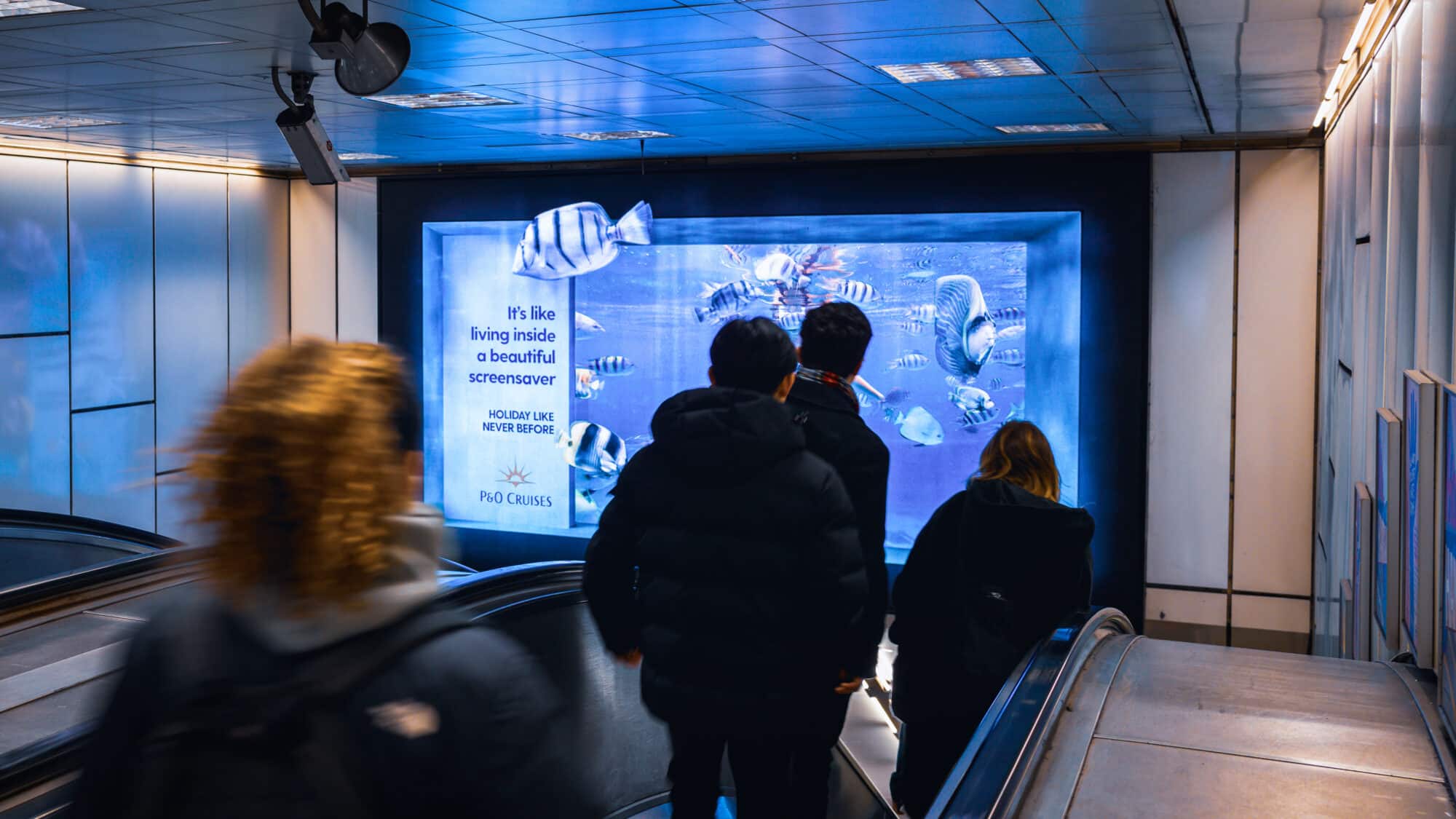
- Escalator Panels: Digital or static advertising panels on London Underground and major UK railway station escalators.
- Eye-Level Billboard: Street-level billboards common in high-traffic pedestrian areas and high streets.
- Environment: The area surrounding billboards, subject to UK planning regulations and local authority guidelines.
F
- Face: The viewable surface area of a billboard, measured according to UK standard formats.
- Footfall: UK term for pedestrian traffic passing an OOH site, particularly important for high street and retail locations.
- Frequency: Monthly measurements of how often a UK audience sees an OOH advertisement, typically measured by Route.
- Format: Standard UK OOH sizes, including D6, D48, D96, and Digital Mega 6.
G
- Gateway Sites: Premium OOH locations at key entry points to UK cities and towns.
- Greater London Authority (GLA): Regulatory body affecting OOH advertising permissions in London.
- Geofencing: Location-based technology used in UK DOOH campaigns, compliant with GDPR requirements.
H
- High Street: Prime UK retail locations for OOH advertising.
- Hoarding: A traditional UK term for a billboard, particularly common on construction sites.
I
- Impressions: Route-verified measurements of UK audience views of OOH media.
- Illuminated Signage: Lit advertising displays, subject to UK planning regulations and operating hour restrictions.
- InLinks: Digital street units replacing phone boxes in UK cities, offering advertising and public services.
J
- JCDecaux: Major UK media owner specialising in street furniture and transport advertising.
K
- Kiosk Advertising: Advertising on street kiosks and modern InLink units across UK cities.
L
- London Underground: TfL-operated advertising network across the tube system.
- Local Authority Consent: Required permission from UK councils for OOH installations.
- Large Format Digital: Premium digital sites in major UK cities, typically D48 and above.
M
- Media Owner: UK companies like Global, JCDecaux, and Clear Channel who own and operate OOH advertising spaces.
- Manchester Metrolink: Tram network offering advertising opportunities across Greater Manchester.
- Mall Digital: Digital advertising networks within UK shopping centres.
N
- Network Rail: Advertising opportunities across UK railway stations.
- National Coverage: OOH campaigns spanning multiple UK regions.
O
- Ocean Outdoor: UK media owner specialising in premium DOOH locations.
- OOH: Out-of-Home advertising, referring to all UK outdoor advertising formats.
P
- Planning Consent: UK local authority permission required for OOH structures.
- Piccadilly Lights: Iconic London DOOH location owned by Landsec.
- Premium Large Format: High-impact sites in prime UK locations.
R
- Route: Industry-standard UK OOH audience measurement system.
- Rail Network: Advertising opportunities across UK train stations and railways.
- Retail Digital Network: Connected DOOH screens across UK shopping locations.
S
- Street Furniture: UK term for bus shelters, telephone kiosks, and other street-level advertising opportunities.
- Superside: Large format advertising on UK buses.
- Shopping Centre Network: Digital and traditional OOH across UK retail destinations.
T
- Transport for London (TfL): Controls advertising across London’s transport network.
- Transvision: Large format digital screens in major UK railway stations.
- Tube Car Panels: Advertising panels inside London Underground carriages.
U
- Urban Digital Network: Connected DOOH screens across UK city centres.
- Underground Network: Advertising opportunities across the London Underground system.
V
- VAC (Visibility Adjusted Contact): UK metric for measuring actual audience views of OOH.
- Vinyl: Weather-resistant material used for UK outdoor advertising.
W
- Wrap Advertising: Full vehicle advertising wraps, common on UK buses and trams.
Y
- Yield Management: A media owner term for adjusting the price of advertising space and inventory based on demand in the UK market.